

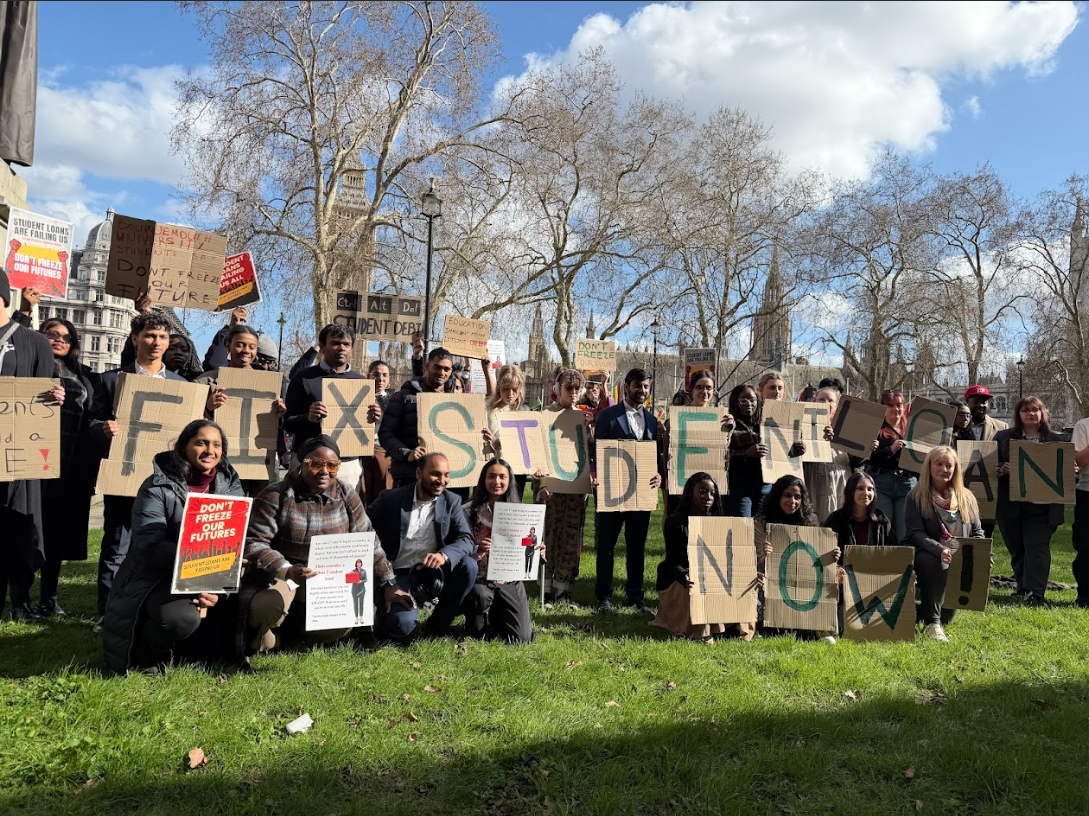
Student journalist Aurelia Loth recounts her experience at NUS's Don't Freeze Our Futures national lobby day and a meeting of the All-Party Parliamentary Group (APPG) for Students.
A little about meI did my undergraduate degree at the University of Birmingham where I studied English and had a truly amazing experience. Whilst I was there, I was aware of the students’ union (Guild of Students) and its role within student life, but other than attending events, I wasn’t involved in any way really. In September of 2025 I started my postgraduate degree studying journalism at Kingston University, and it is through this that I became familiar with the NUS. |
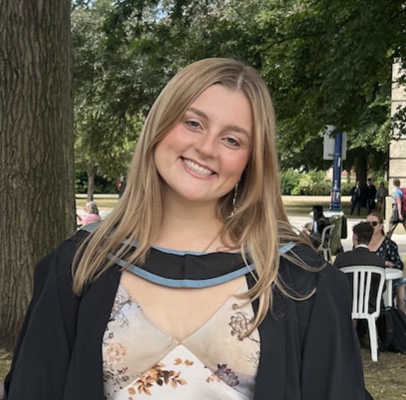 |
Captivated and concerned by the growing discourse on student loan repayments, I decided to try and get involved however I could. After reaching out to the NUS press team and speaking with the president of Kingston Students’ Union Hamza Haroon, I was invited to come along to their lobby day and APPG to report on their fight for student loans reform.
Meeting the team – the lobby day
When arriving in Westminster to meet the NUS team and the students’ union representatives from across the county, I was immediately struck by how hopeful every individual was about making positive change, not just for themselves, but for past and future students.
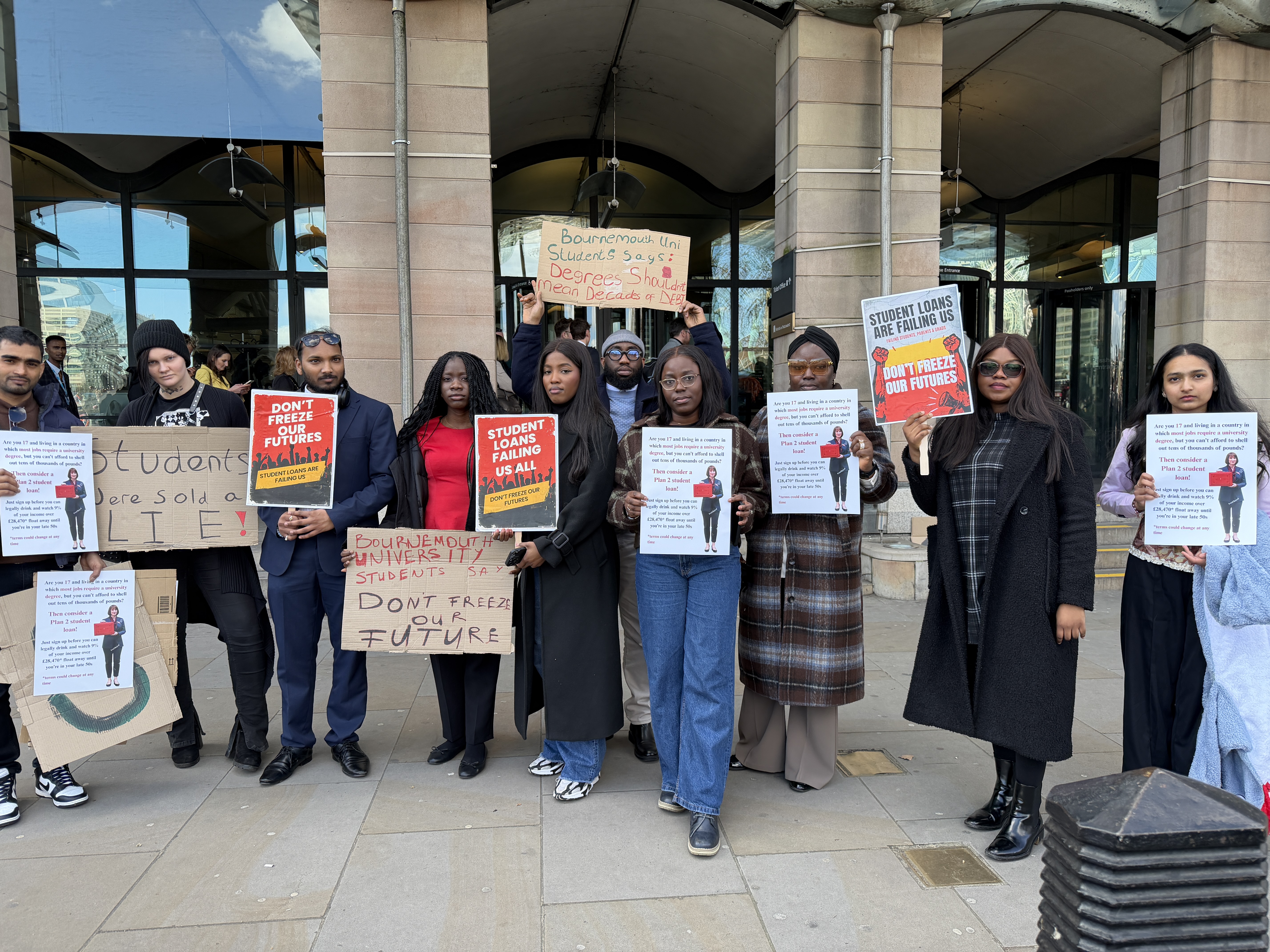 Students' union officers outside of Parliament at NUS's national lobby day
|
I spent most of my morning talking to students’ union leaders from Brunel University, Bournemouth University, and Arts University Bournemouth. We talked about their concerns with the current student loan repayment system, the pressures they are facing as individual unions, and the relationship they had with the MP for their areas. |
The thing that stood out to me most from these conversations was the openness and honesty with which everyone spoke about their mounting student debt. It was so refreshing to have frank discussions about the financial stress young people are under and the impact the current loans system is having on their outlook on higher education and future careers.
Most students said they have a positive relationship with their local MPs. They explained that although they felt they were heard at a local level, ultimately the change needed to come from ‘the top’. The common goal was clear: to present a united front as the NUS and push this issue to the forefront of government’s agenda.
Throughout the day as different groups met with MPs, many came back and told me they felt hopeful that an announcement, or progression of some sort, might be forthcoming.
Exploring the “scale of impact” of student loans – the APPG
|
As we headed into the APPG the energy was fierce. After speaking to so many students from different universities, all with individual concerns and ideas, I was excited to hear how this group discussion would work. These are some quotes from students who spoke in the meeting that particularly stood out to me. “I feel like we are being punished for wanting an education and seeking a better life for ourselves.” – representative from St Mary’s University Twickenham |
|
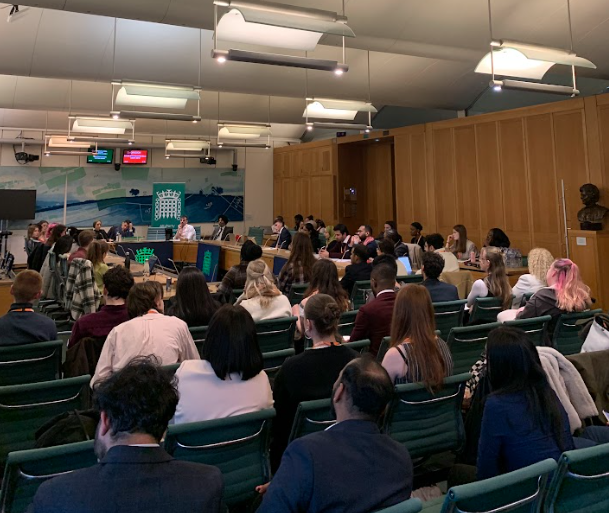
“[The current system] doesn’t fund students or universities properly. The loan system simply doesn’t work.” – Rory, students’ union president of Lancaster University
“We’ve been sold the dream but what now?” – representative from Oxford Brookes University
My biggest takeaway from the APPG was the diversity of experience amongst students in the room. Some shared their personal struggle with taking out such a high interest loan because of their religious beliefs, others talked of their experiences as young carers, or being the first person in their family to go to university. It was inspiring to hear students talk so passionately, so powerfully, and so eloquently about the change they want to see, demanding to be heard and for action to be taken.
I think so much of the difficulty with an issue like student loans is that it often feels as though politicians, and people who are not directly affected, believe it to be a ‘student issue’, but it’s not, it’s a national issue. As one student said, higher education is “an investment into the future of the country” and therefore needs to be reformed to create a system that doesn’t burden young people with loans they may paying off into their 60s.
The day ended with an interview with Newsnight, which was very cool to see, and a good sign that an announcement might be on the way. In her interview Amira Campbell, president of the NUS said something that has stayed with me since. She said:
| “No one had a choice. We’re talking about a regressive system. So many people from poorer backgrounds are currently having to carry the weight and the burden of upholding a higher education system here in the UK.” |
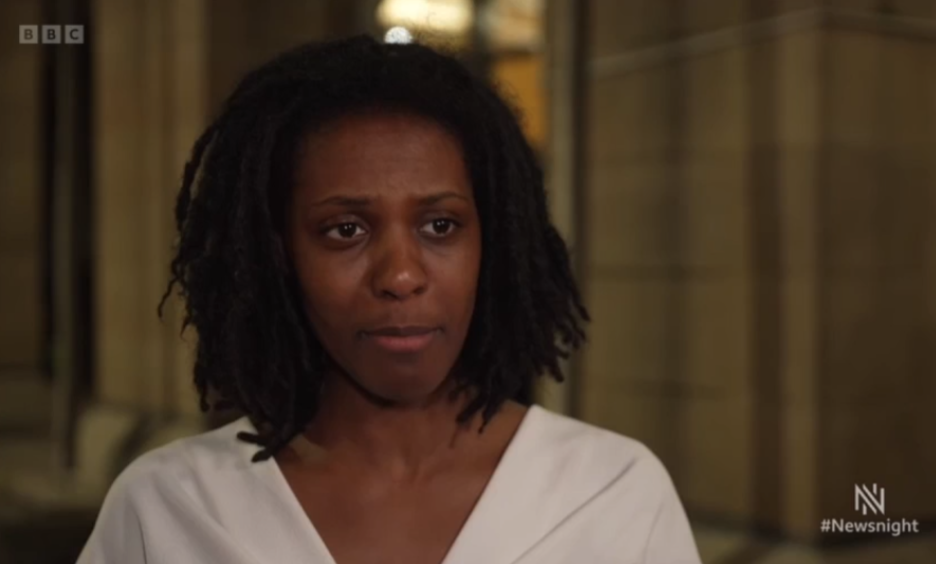 NUS President, Amira Campbell, being interviewed for Newsnight
|
I came away from the day feeling inspired and with an entirely new perspective on the power of students’ unions, the NUS, and the possibility for real, lasting change to the current student loans system.
I want to say a huge thank you to the NUS team for being so welcoming and allowing me to report on the day, but more importantly, for tirelessly pushing for positive change.
My advice to any student reading this and feeling panicked about the number in their student finance balance is to get involved in the ‘Don’t Freeze Our Futures’ campaign. Email your MP, speak more openly with your friends and family if you can, inform yourself on the changes underway (because there is change happening right now), and don’t stop fighting for a fairer system.


